Self Drive Garden Visit to Lady Farm, Chelwood, 17 June 2026
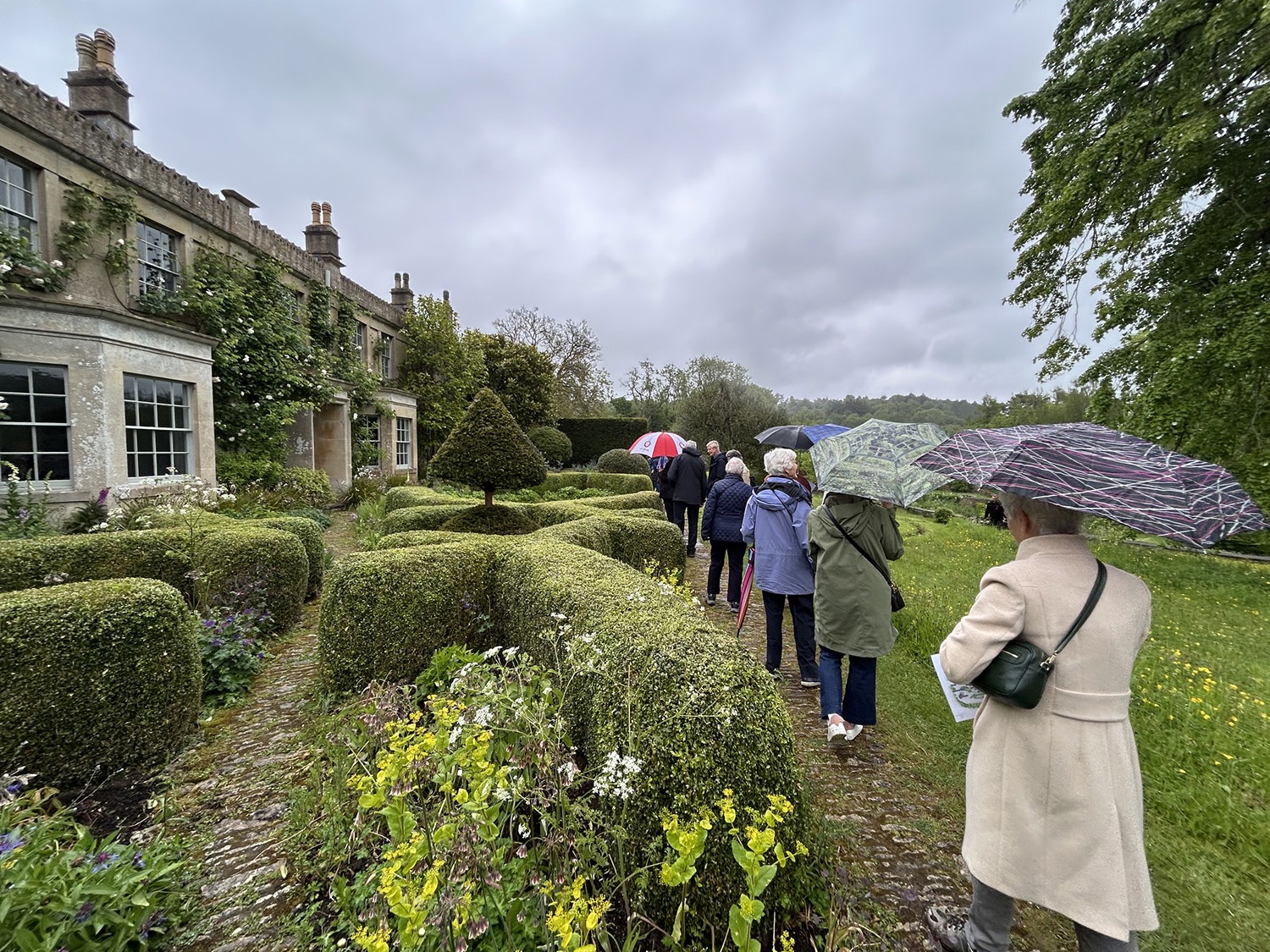
”I think we will need to take these today” I said to Claire as I loaded three umbrellas into the car. Though overcast and gloomy, the wet roads were easier to navigate than our last garden visit and it wasn’t too long after skirting Bath, that the sign to Lady Farm appeared.
We all meandered our way from the car park to the barn, riskily leaving the umbrellas in the cars; where we were met by our host, Claire. Claire set about describing the history of the farm before serving us with a splendid quiche salad.
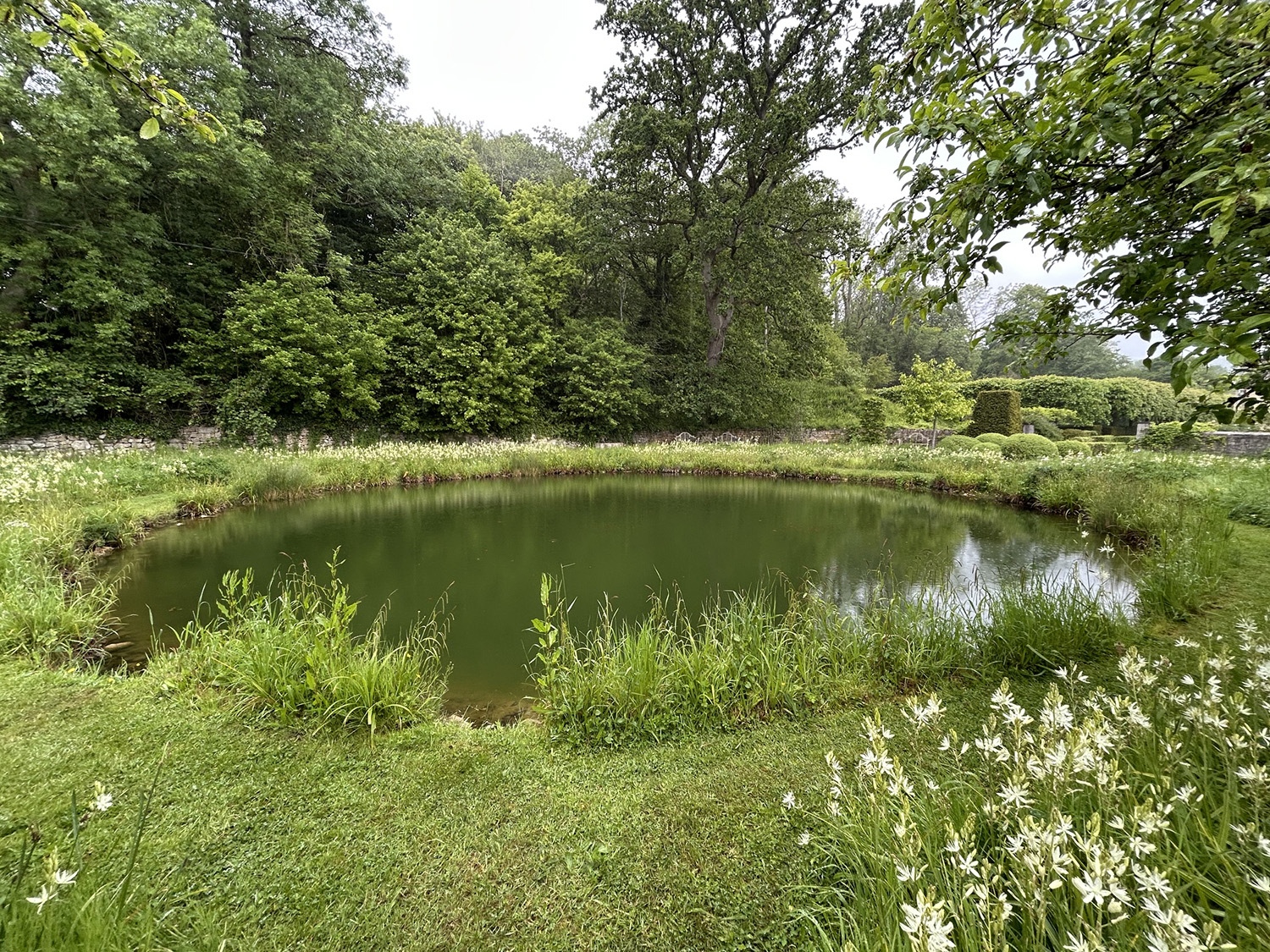
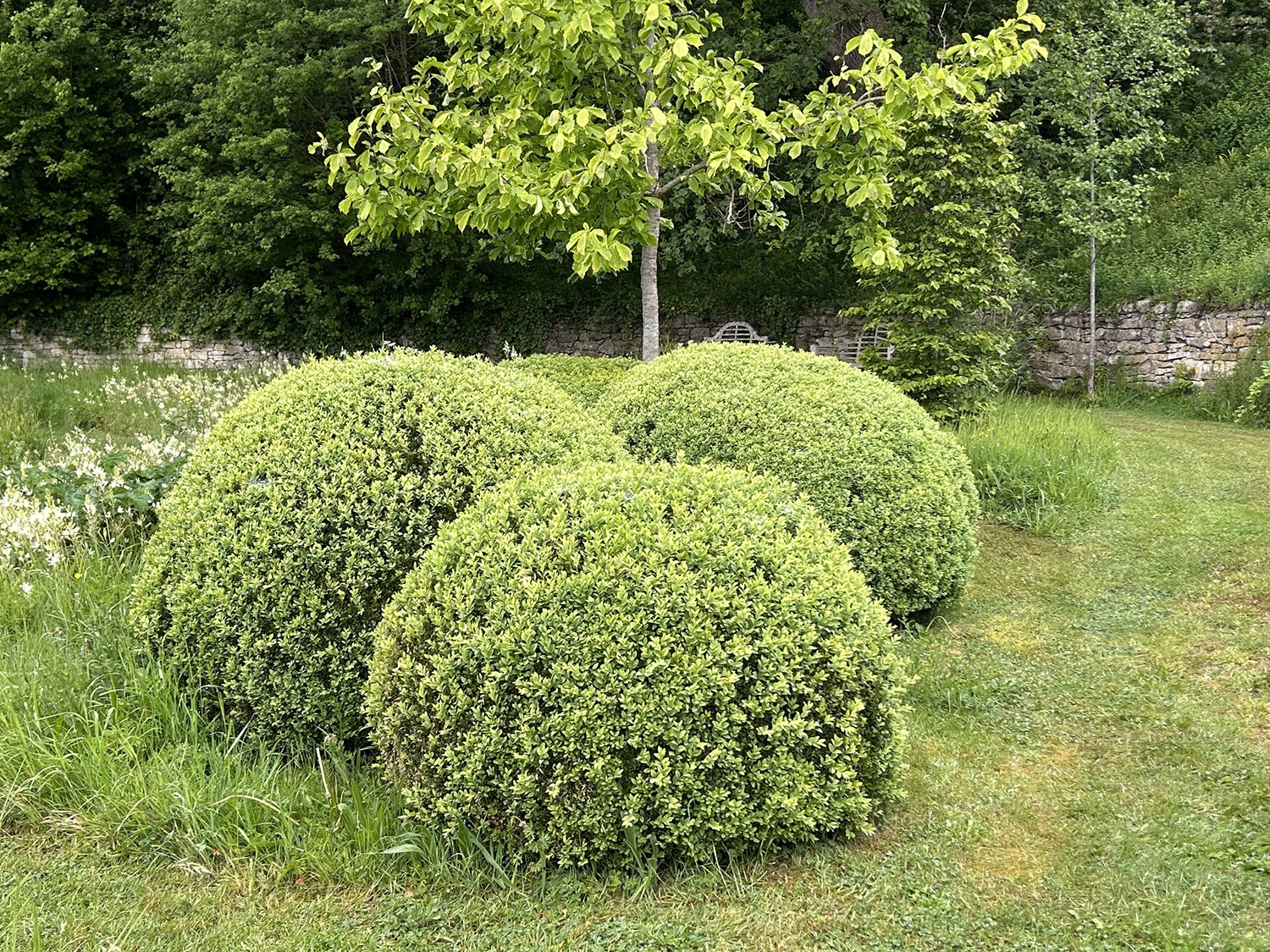
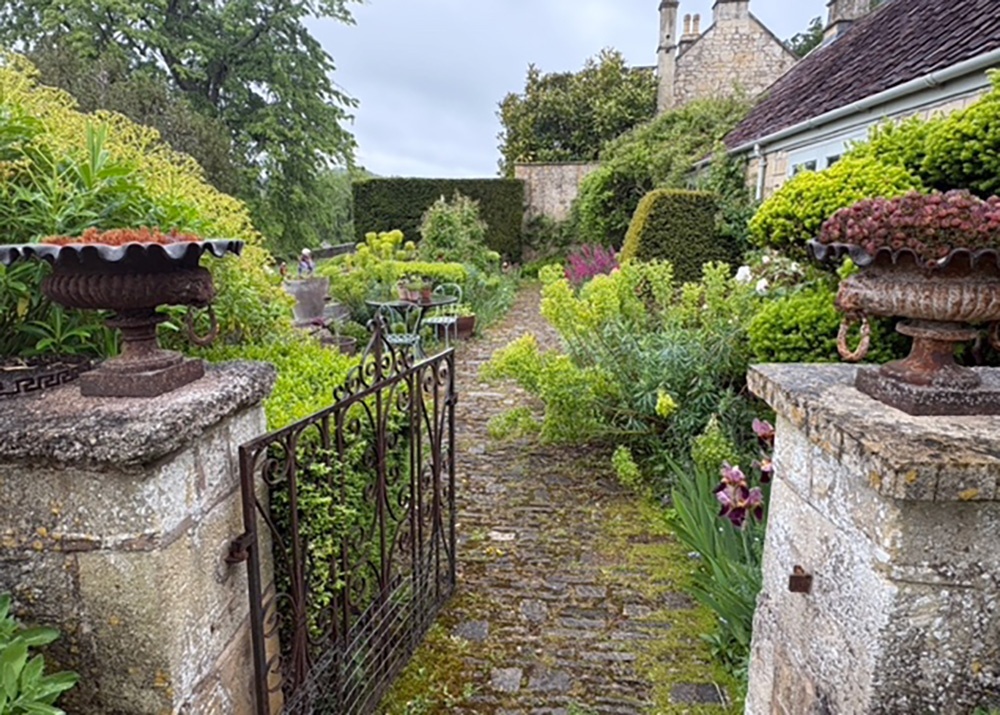
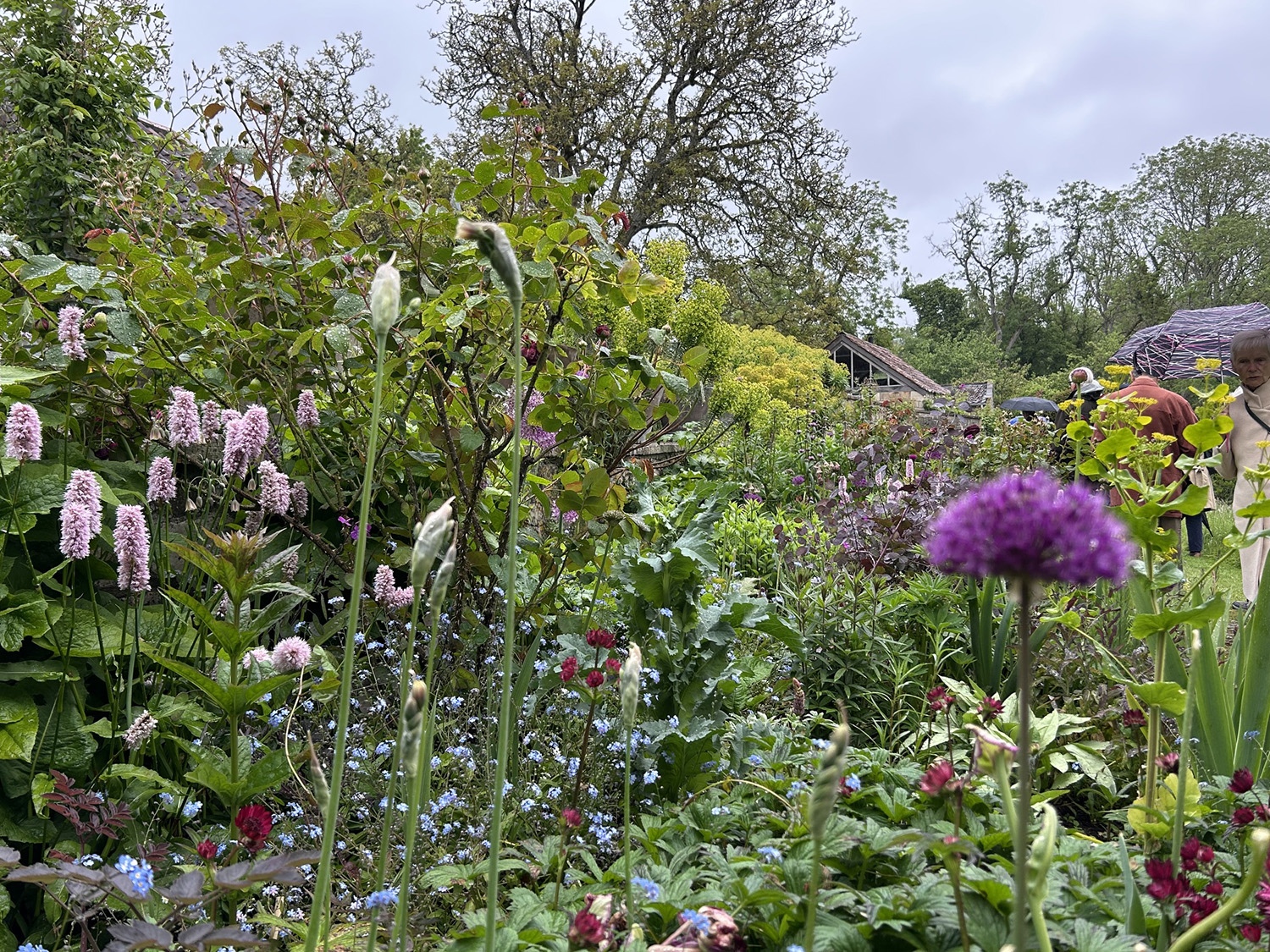
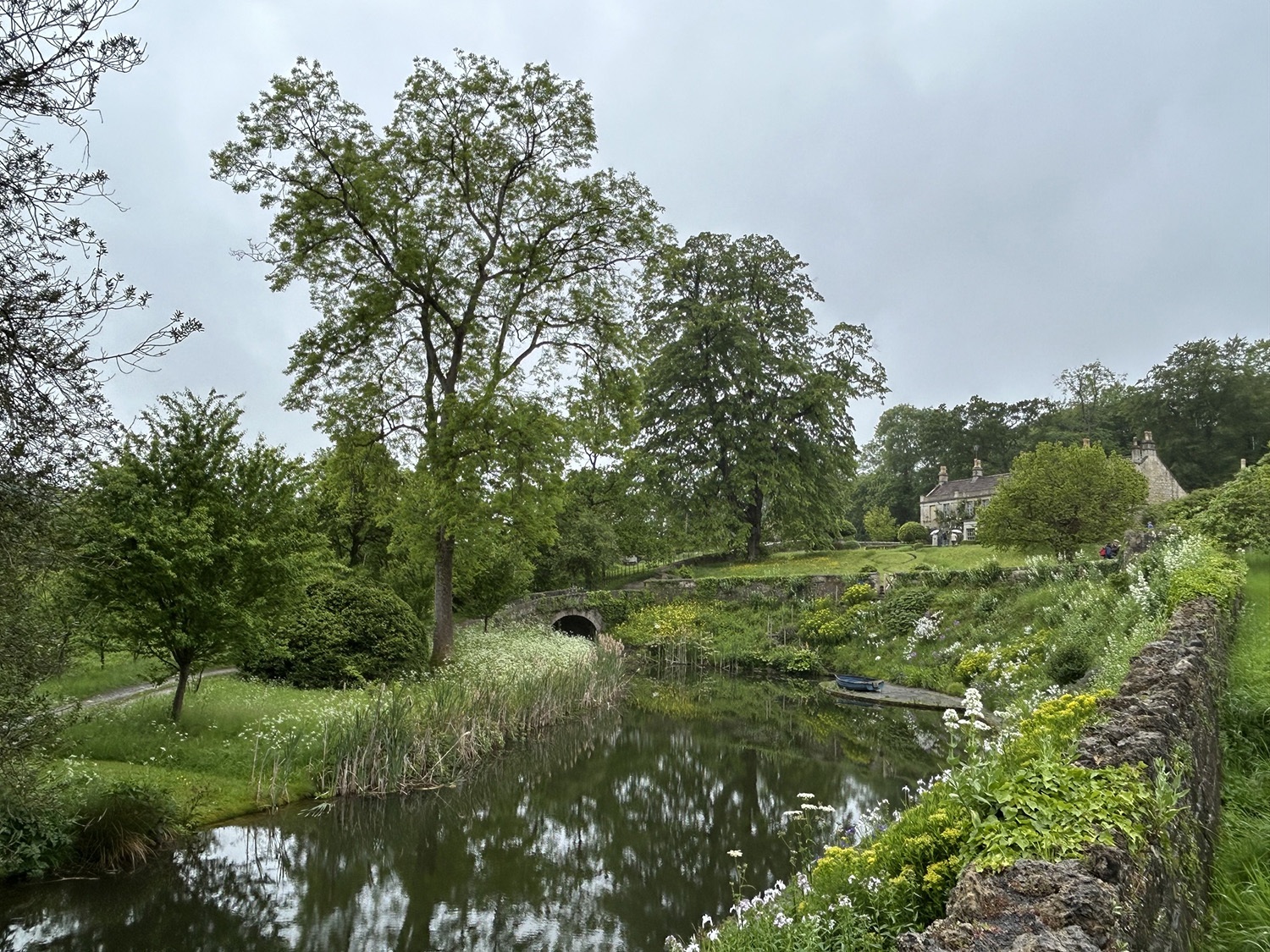
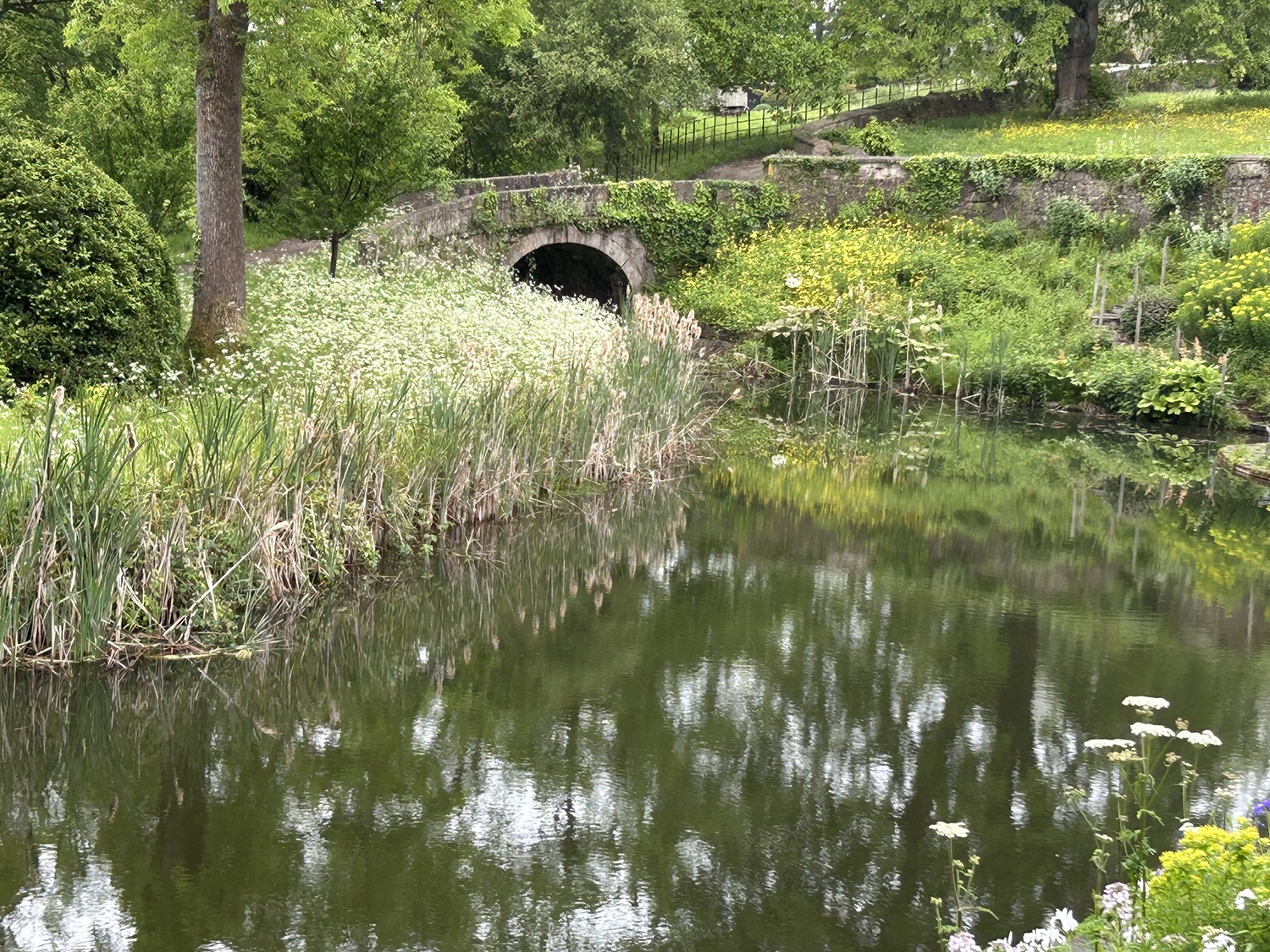
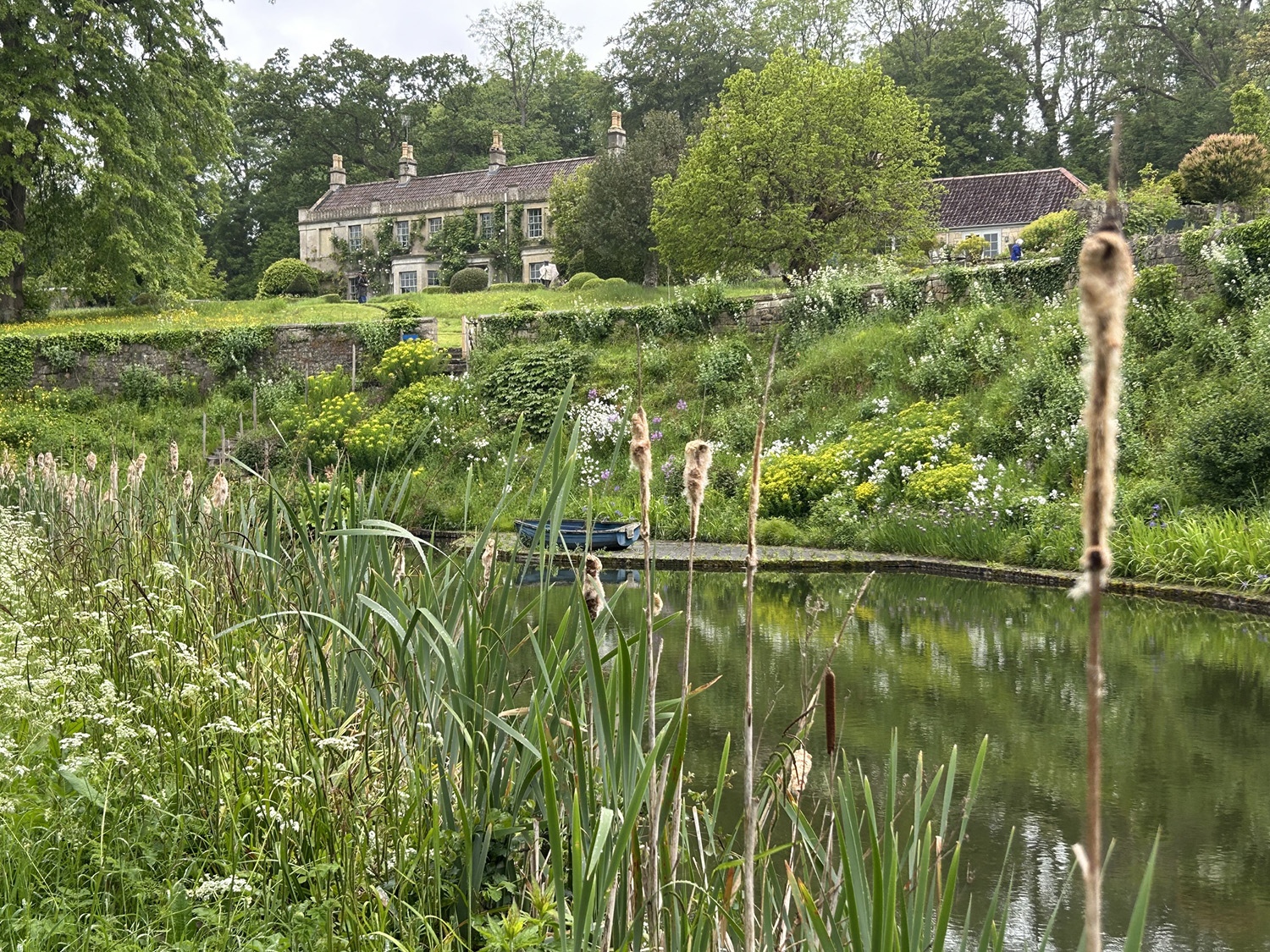
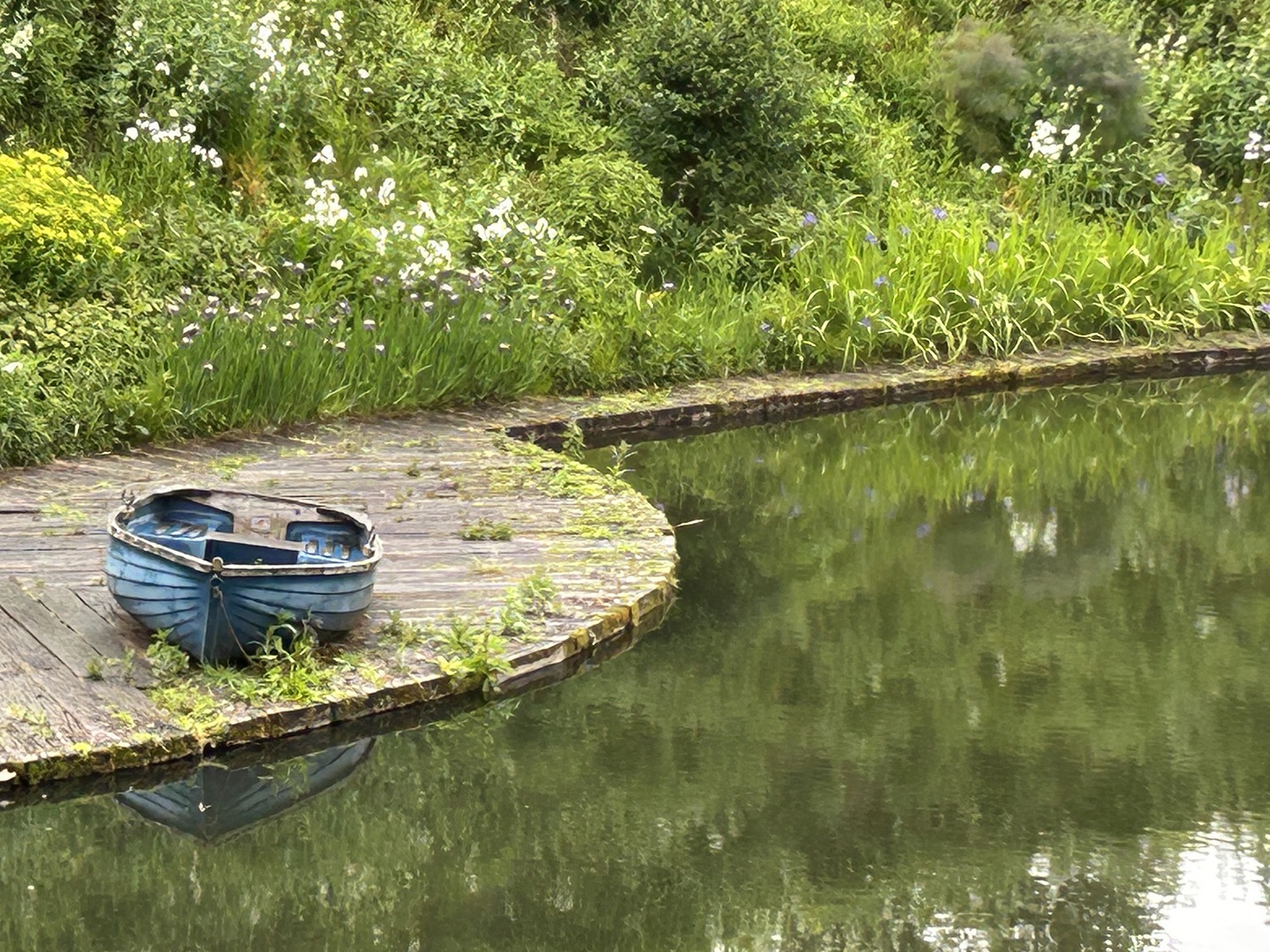
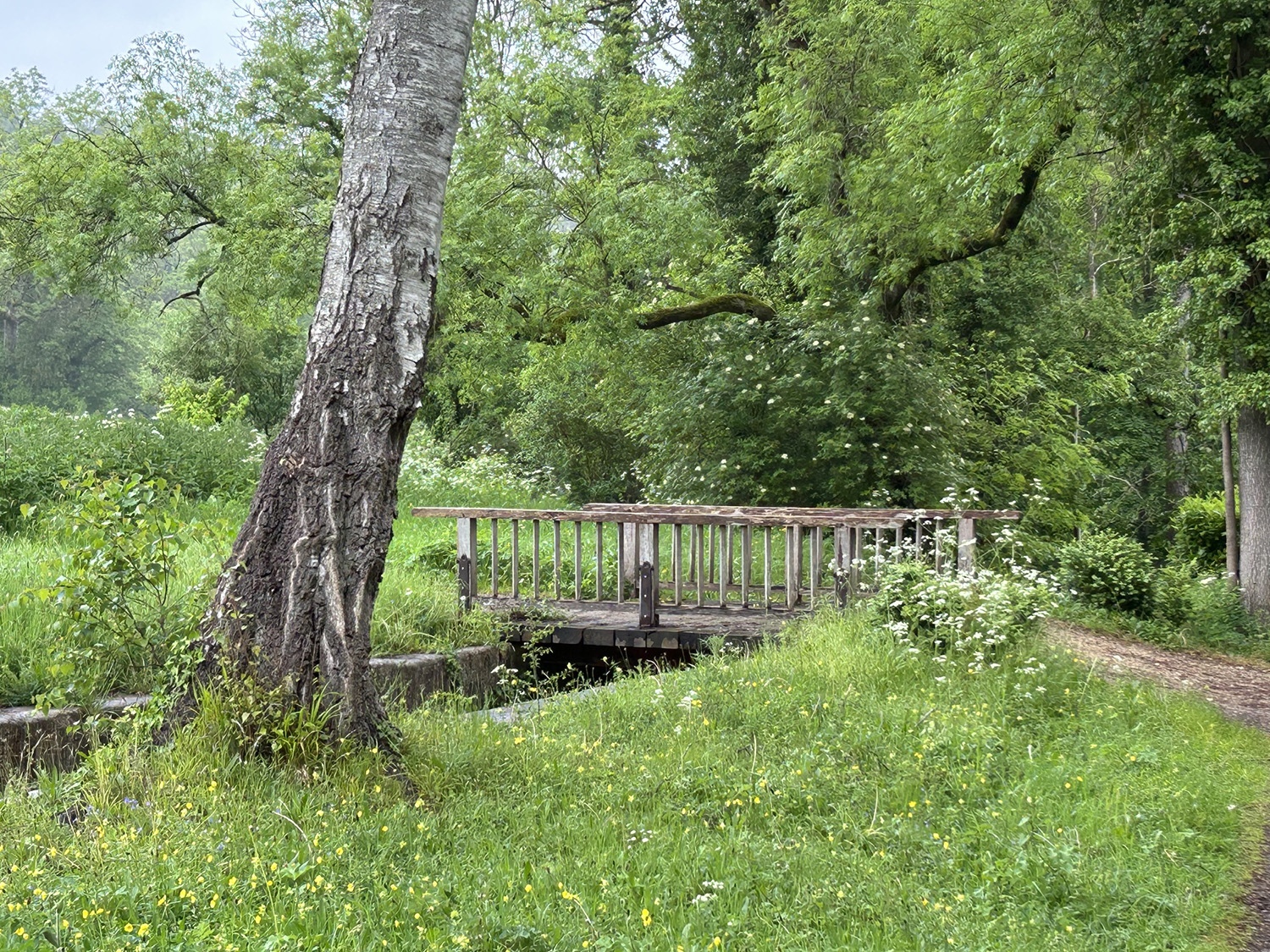
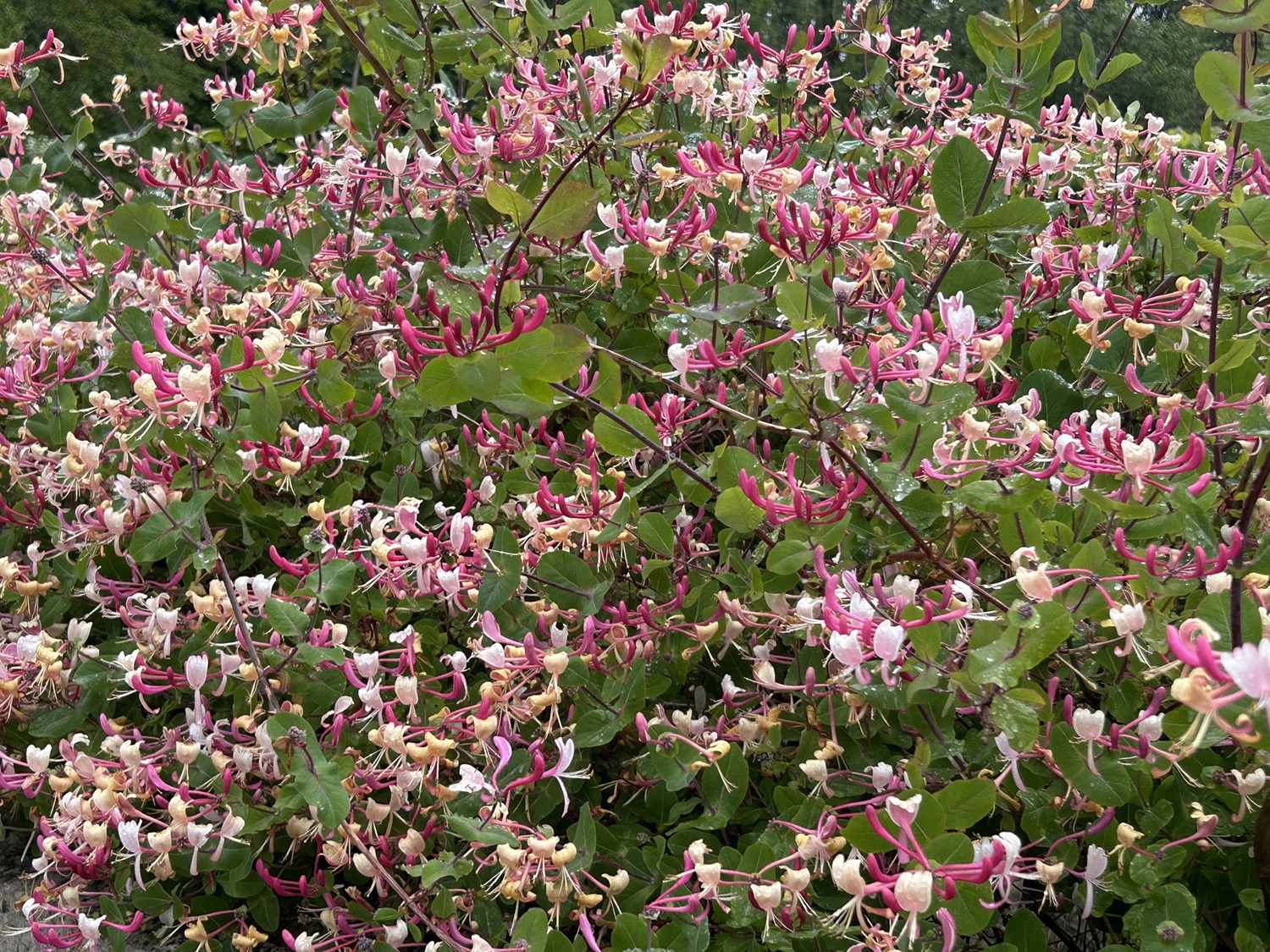
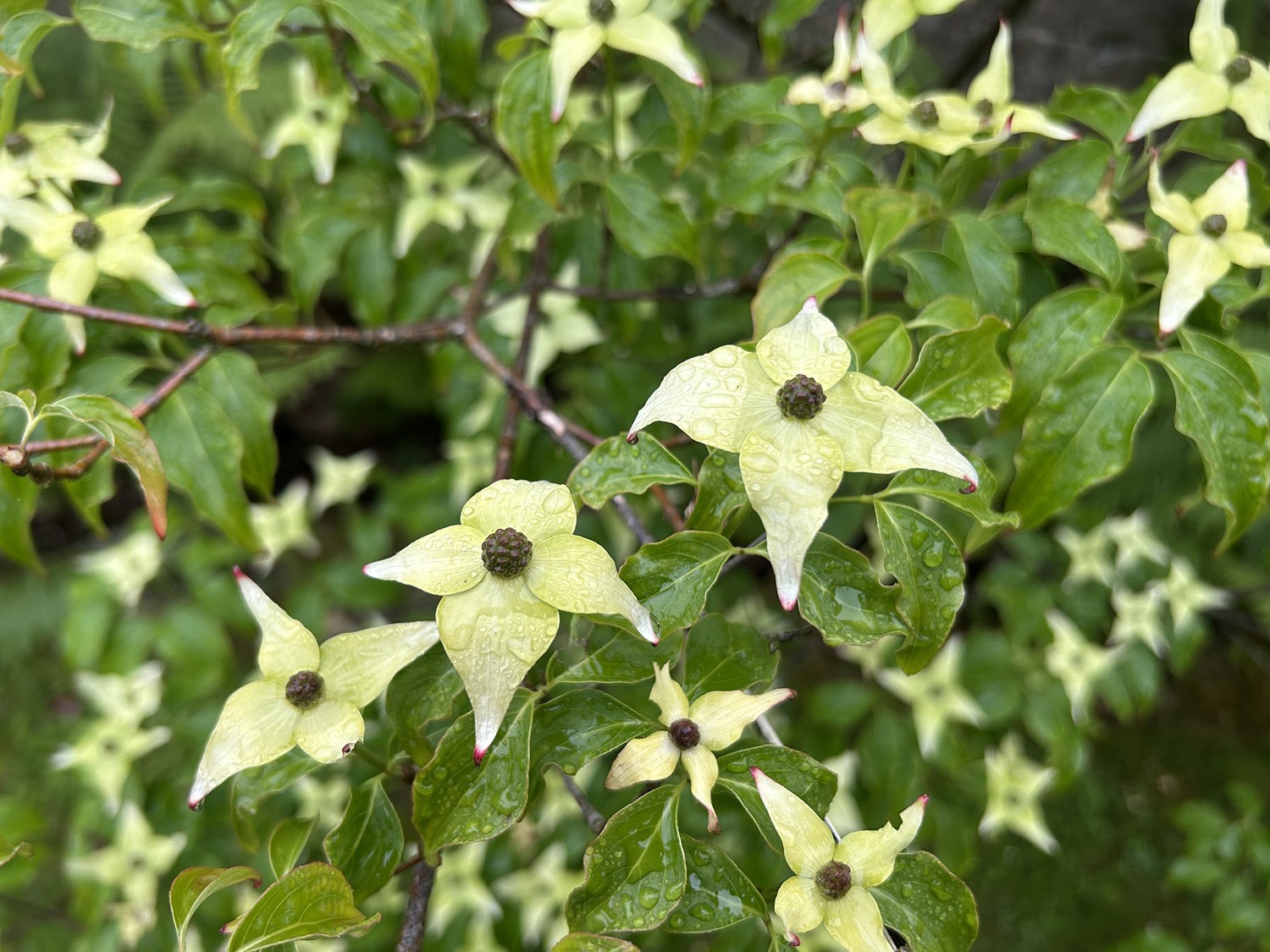
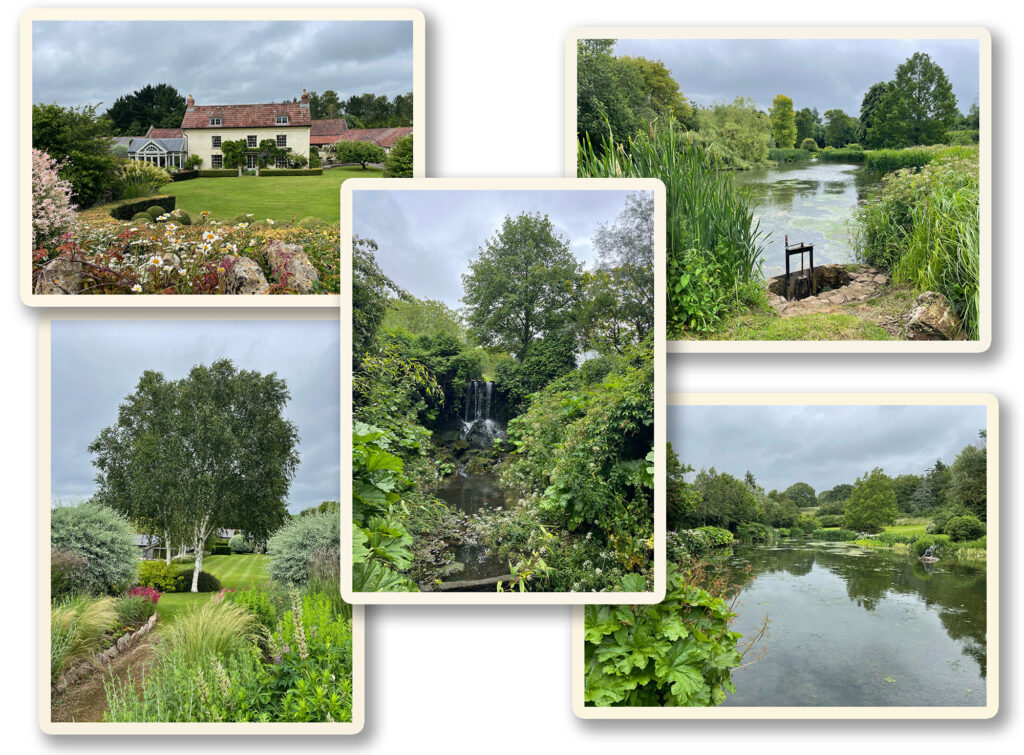
In 1972 her grandparents swapped houses and farms with another couple, cows and all. However, in 1992 the cows and milking ceased at Lady Farm and the farm became arable with sheep. This enabled Judy Pearce to bring in diggers and topsoil to lay the foundations for the wonderful garden area which we all enjoyed. The cottage garden, Hosta walk and the array of colourful borders all blended with round wide sweeping grassy areas.
The accidental discovery of a spring heralded the creation of lakes, a ravine and waterfall which we all found on our wander round.
The weather had brightened and warmed by the time we gathered back on the patio for tea, cake and a chat. All in all, a great day out and another splendid entry in the diary. Unbelievably the garden is managed by one loyal gardener and what an incredible job he does, but did anyone see him?
Once again thank you Carolyn.
… Keith
Self Drive Garden Visit to Caisson Gardens, Coombe Hay, 20 May 2026
After a challenging journey for all with unexpected road closures and the weather not yet fully recovered from 2 days of storms, 50 of us forgot the light drizzle for our very enjoyable visit to Caisson Gardens. Greeted on arrival by owner Phil, we were buoyed by a very informative talk about he and wife Amanda’s purchase of Caisson House and gardens and their vision re-imagining the whole after years of neglect. Supremely qualified in their previous jobs as film set designers in London where they met, they actually both grew up in Somerset – Phil growing up on a farm nearby. A true homecoming.
The Grade II listed house was built in 1815 as the home of the chief engineer and offices of the Somerset Coal Canal company overseeing the work on the canal. The canal operated between 1805 to 1895 as part of the industrialisation of transport (in this case coal) until the railways arrived. The two Combe Hay flights of locks were completed by 1805-6 as a feeder arm and fitted with the revolutionary “Caisson” lock but Phil caused much laughter by telling us that on the grand gala opening day, with all dignitaries present, the lock spectacularly failed! At which point the red-faced coal company replaced it with conventional locks.
Parts of the canal walls and locks can be seen today – indeed as you enter the drive you can see the narrow 7 foot wide section of the walls and, further down, the bridge under which the canal flowed – now into a large lake constructed by Phil and Amanda. I like to imagine the horse drawn narrow boats, which were, at most, 7 ft wide and 72ft in length, being brought under that bridge by the “crew” lying on his back on the boat roof to “walk” the boat through the tunnel as the path beside was not wide or tall enough to allow the horse through.
Anyway, enough of canals, though there were several engineer or engineer minded members who came to visit more for the locks, I think, than the gardens.
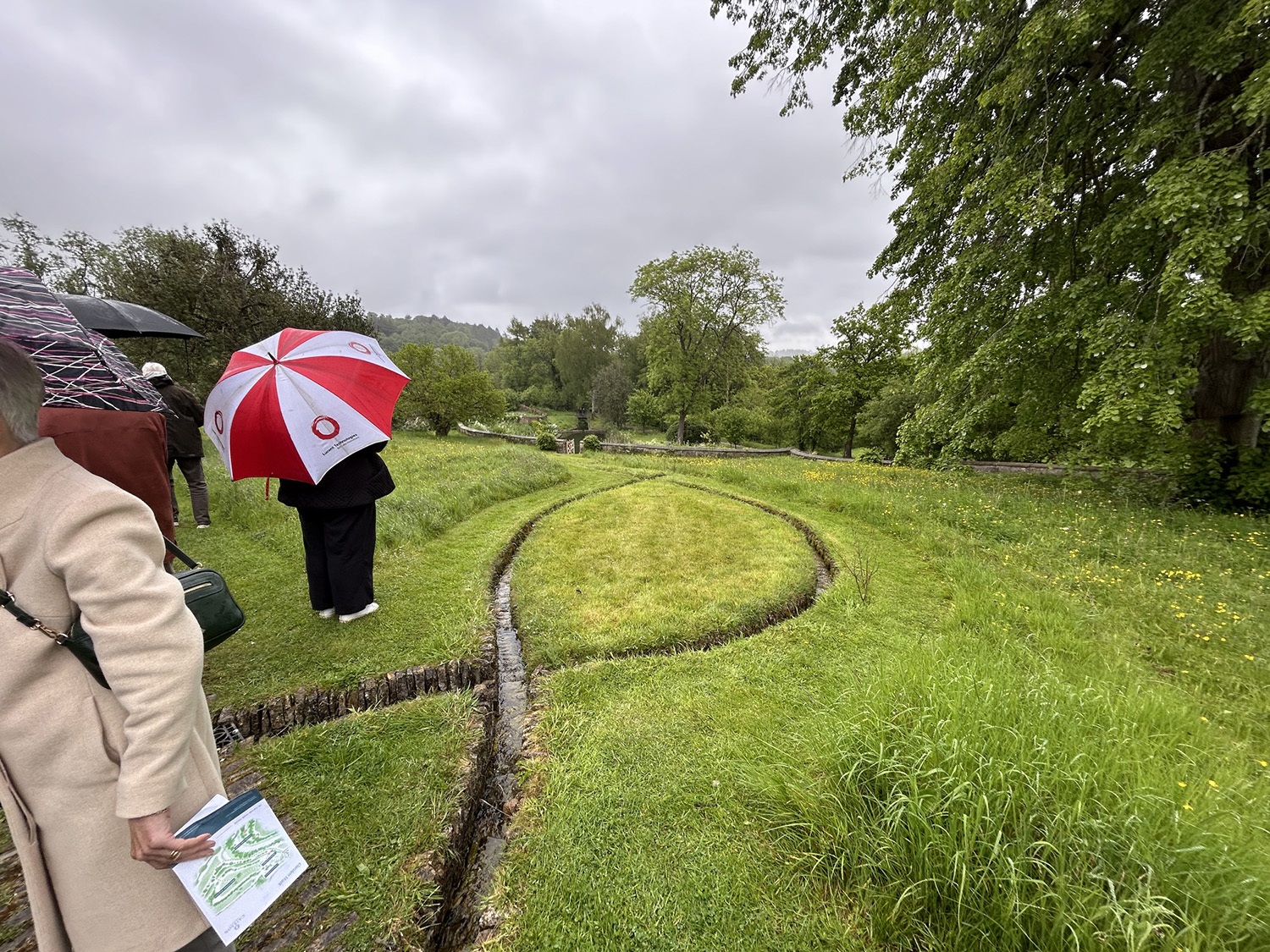
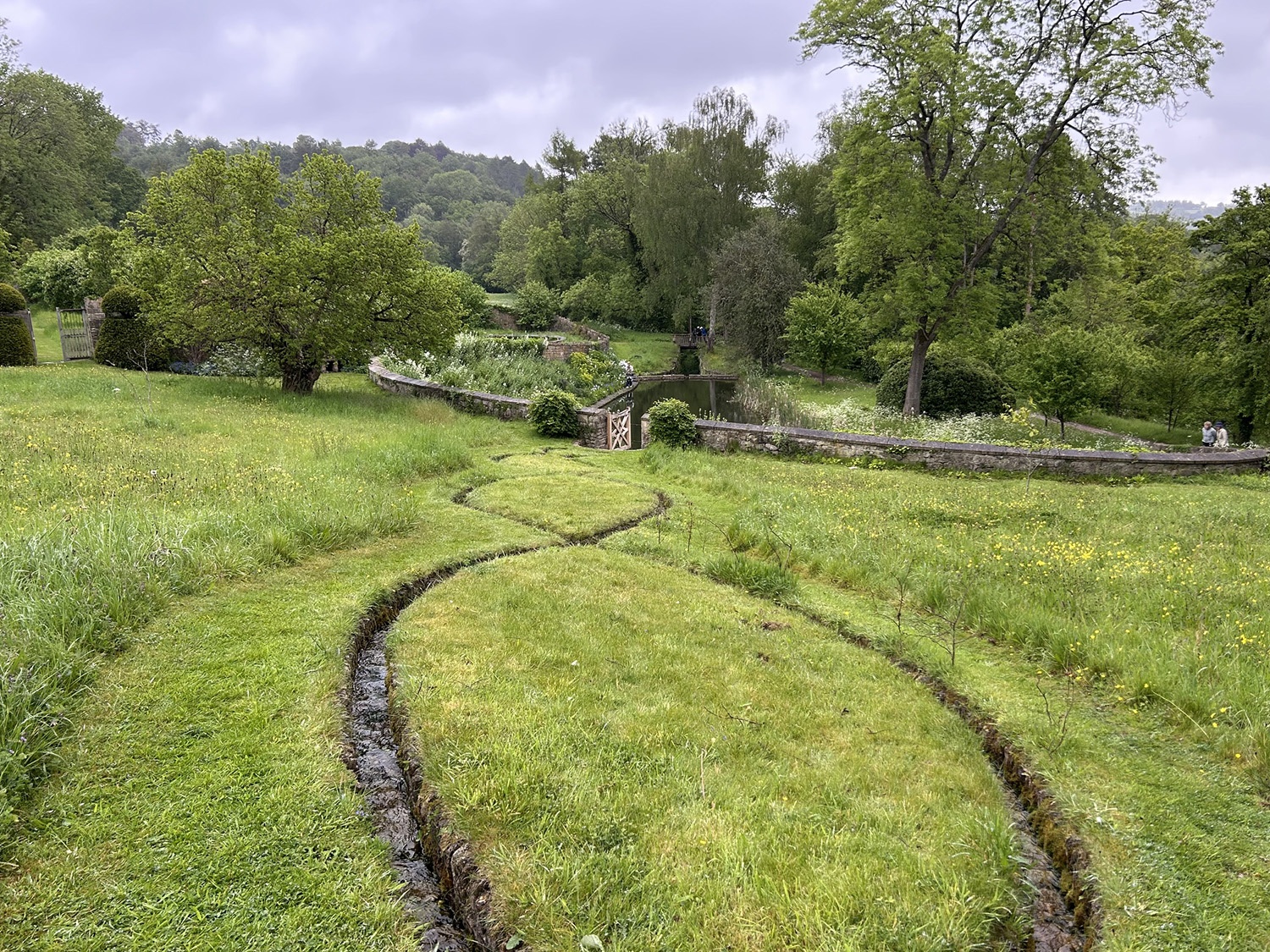
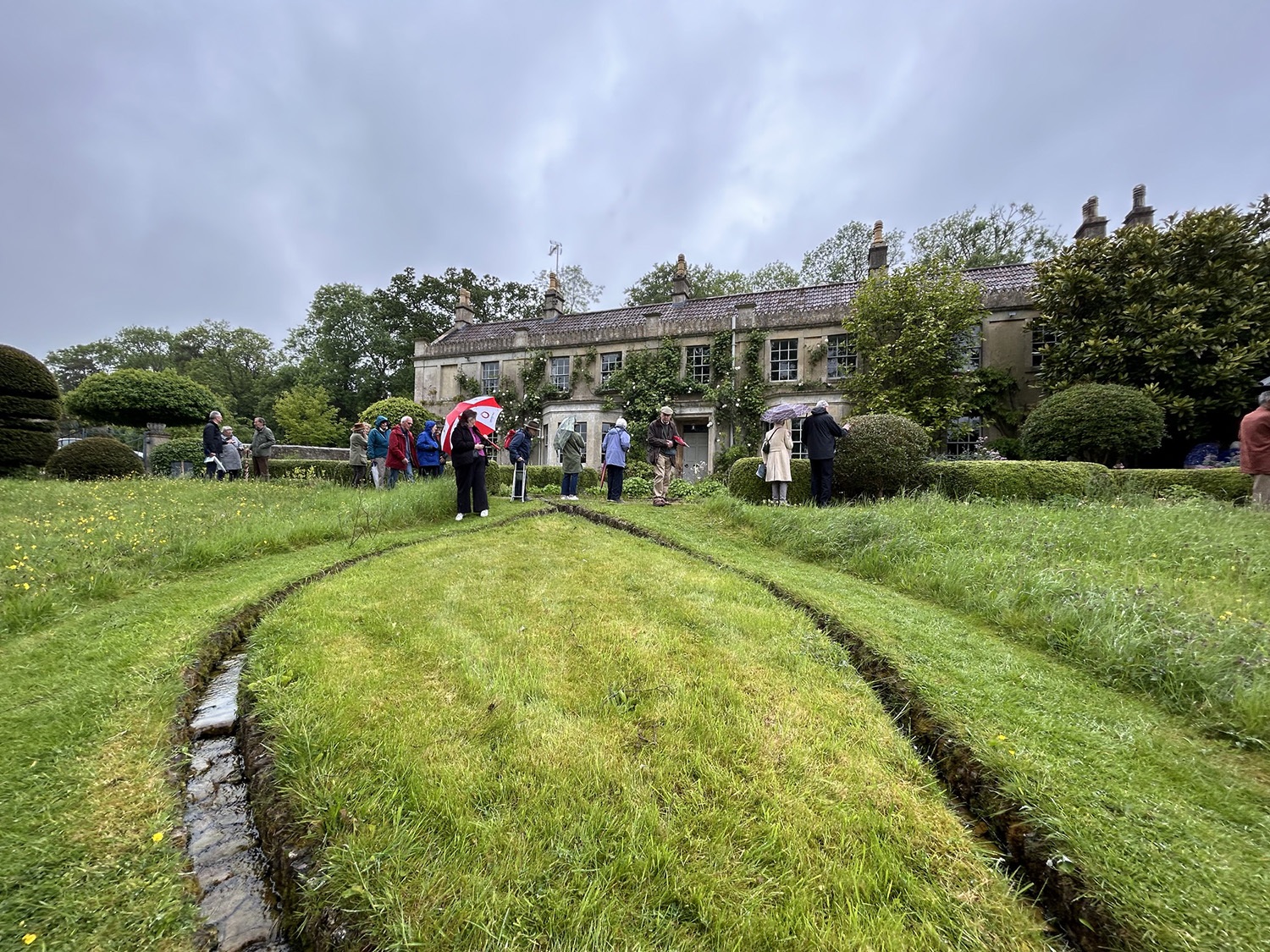
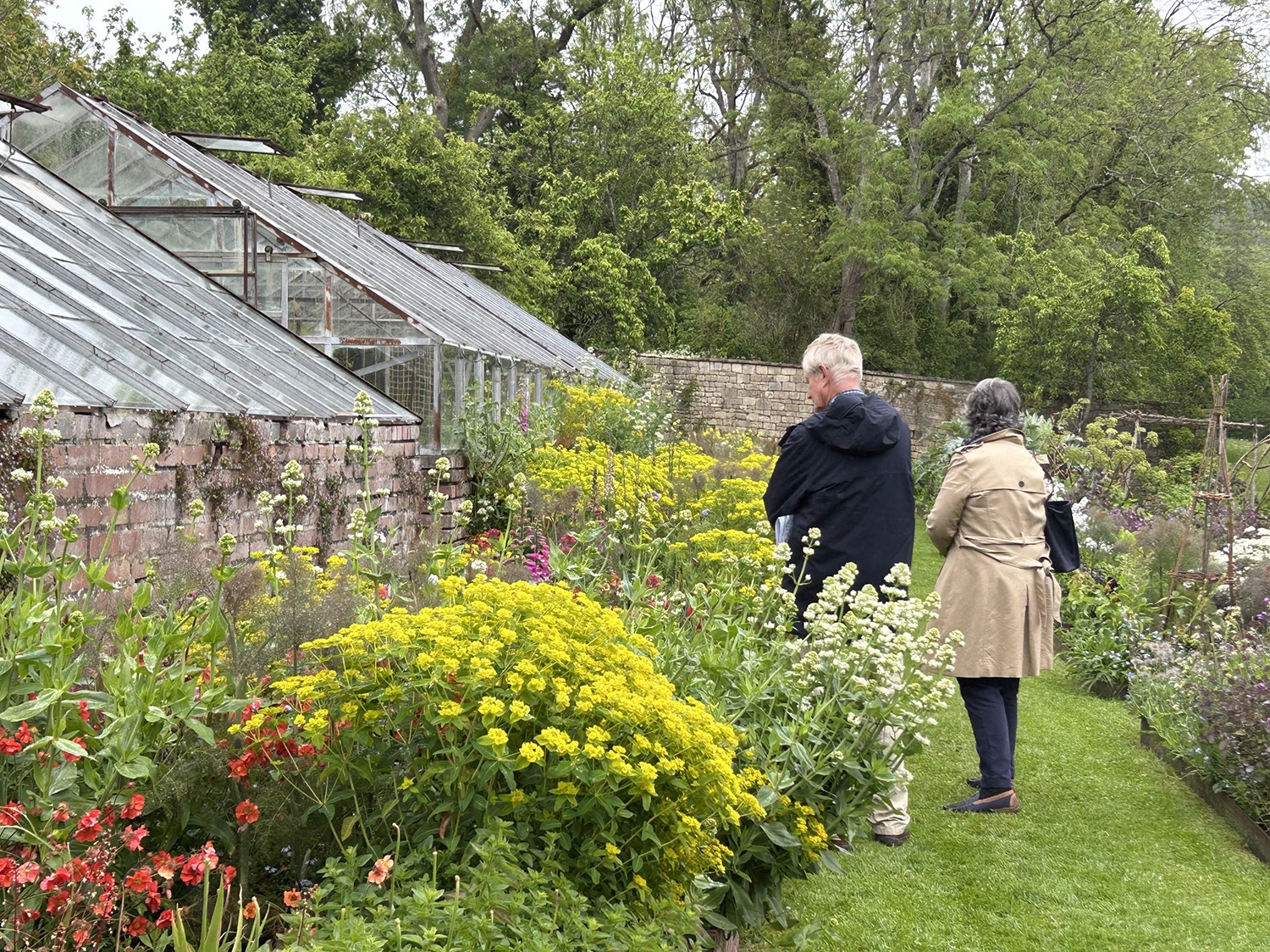
On arrival Phil and Amanda set about installing a large lake and two ponds to ensure a constant supply of water. The first large pond on the left of the drive houses gold fish, which delighted us by “blowing bubbles” close to the surface which resembled raindrops falling on the water. Also to be seen tadpoles – but not the newts and snakes which are also there. To the right, the track ran down to the larger lake created from the canal, from which water is pumped up to the house to a smaller ornamental pond in front of the house. The water in turn then runs back down to the lake through two sinuous rills supported by the natural stone taken from the canal walls through natural meadow land where wild orchids are establishing. Beyond the front of the house, with it’s topiary and flower beds, through a stone wall gap into another section of the garden with greenhouses, fruit trees, unusual plants and lovely colour ways including natural supports made from wattle and daub – also used to create a “bug house”. Beyond that, meadowland left ungrazed during the summer months to allow the wild flowers to proliferate. Behind the house a pleached lime terrace for idyllic summer meals – and more. The photos say it all.
A natural paradise in a sustainable landscape with spectacular views thriving under Phil and Amanda’s husbandry.
… Carolyn Adams